
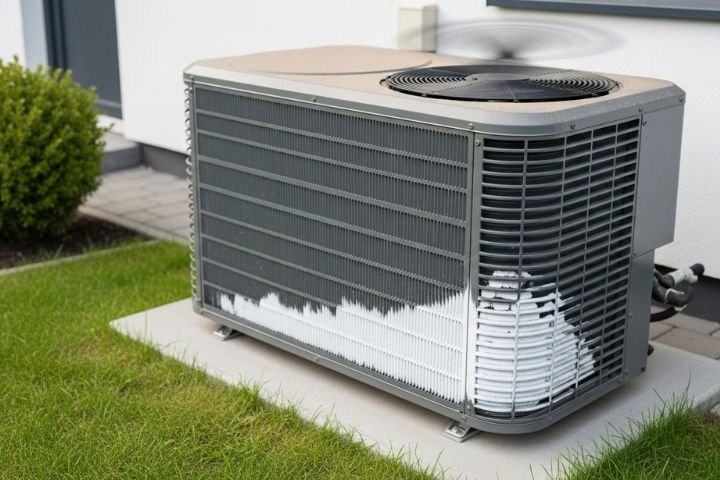
Heat pumps are one of the most efficient heating and cooling systems available, but like any mechanical system, they can develop problems over time. Many homeowners ignore early symptoms until the system completely fails, leading to higher repair costs or full replacement.
Knowing the signs a heat pump needs repair allows you to act early, protect system performance, and avoid sudden breakdowns during extreme weather. Below are the most common heat pump repair warning signs, what they mean, and when professional service is necessary.
1. Heat Pump Is Not Heating Properly
If your heat pump struggles to maintain a comfortable indoor temperature during colder months, this is often one of the first signs something is wrong.
Common causes include:
- Low refrigerant levels
- Dirty or clogged air filters
- Faulty reversing valve
- Compressor inefficiency
When a heat pump is not heating properly, it may blow lukewarm air or run constantly without reaching the thermostat setting. This is a clear indicator that repair is needed rather than normal seasonal behavior.
2. Heat Pump Is Not Cooling Properly
During warm weather, a failing heat pump may stop delivering cool air altogether or cool unevenly throughout the home.
Warning symptoms:
- Warm air coming from vents in cooling mode
- Long run times with poor temperature control
- Increased indoor humidity
If your heat pump is not cooling properly, the issue may involve refrigerant leaks, condenser coil problems, or electrical faults. Prompt diagnosis prevents further system strain.
3. Heat Pump Blowing Cold Air in Heat Mode
One of the most confusing problems homeowners experience is a heat pump blowing cold air in heat mode. While brief cool airflow during defrost cycles is normal, continuous cold air is not.
Likely reasons:
- Malfunctioning reversing valve
- Thermostat calibration issues
- Control board failure
If cold air persists beyond short defrost periods, professional heat pump repair is required.
4. Heat Pump Making Strange Noises
Unusual sounds are some of the most obvious heat pump repair signs and should never be ignored.
Noises that indicate trouble:
- Grinding or metal scraping
- Buzzing or electrical humming
- Banging or rattling
- High-pitched squealing
A heat pump making strange noises may be dealing with loose components, failing motors, or compressor damage. Continued operation can turn a minor repair into a major replacement.
5. Heat Pump Short Cycling
Short cycling occurs when the system turns on and off rapidly without completing a full heating or cooling cycle.
Why this matters:
- Increased energy consumption
- Accelerated wear on components
- Reduced comfort and uneven temperatures
A heat pump short cycling issue may be caused by thermostat problems, airflow restrictions, refrigerant imbalance, or electrical faults. This problem always requires professional evaluation.
6. Heat Pump Not Turning On
If your system does not respond at all, this is one of the most serious heat pump repair warning signs.
Before calling for service, check:
- Thermostat settings and batteries
- Circuit breakers and disconnect switches
If everything appears normal and the heat pump is not turning on, the issue may involve wiring damage, a failed capacitor, or control board malfunction.
7. Rising Energy Bills With No Usage Change
An unexplained spike in utility bills often signals declining system efficiency.
Common efficiency killers:
- Worn electrical components
- Refrigerant leaks
- Dirty coils or blocked airflow
When a heat pump works harder to deliver the same comfort, repair is almost always more cost-effective than letting efficiency continue to decline.
8. Reduced or Weak Airflow
Weak airflow from vents can indicate:
- Failing blower motor
- Dirty evaporator coils
- Duct obstructions
Poor airflow often causes homeowners to think the heat pump is failing entirely, when timely repair could restore full performance.
9. Frequent Repairs or Aging System
If you are scheduling service calls more often or your heat pump is over 10–15 years old, you may wonder when to repair or replace a heat pump.
Repair may be best if:
- The system is under 10 years old
- Repairs are minor and infrequent
- Energy efficiency remains acceptable
Replacement may be smarter if:
- Repairs are frequent or costly
- Efficiency has dropped significantly
- Major components like the compressor are failing
A professional assessment helps determine the most cost-effective option.
How to Tell If a Heat Pump Is Bad
A heat pump may be considered “bad” when multiple warning signs occur at once.
Strong indicators include:
- Constant poor heating and cooling
- Loud or worsening mechanical noises
- Short cycling combined with high energy bills
- Repeated breakdowns within short periods
If you are asking how to tell if a heat pump is bad, these combined symptoms usually point toward major repair or replacement.
Why Early Heat Pump Repair Matters
Ignoring small problems often leads to:
- Higher repair costs
- Reduced system lifespan
- Emergency breakdowns during extreme temperatures
Addressing heat pump repair signs early keeps your system reliable, efficient, and safe.
Final Thoughts
Understanding the signs a heat pump needs repair allows homeowners to take action before comfort and energy efficiency suffer. Whether it is uneven temperatures, strange noises, short cycling, or a system that will not turn on, these warning signs should never be ignored.
If your heat pump shows any of the symptoms discussed above, professional inspection and timely repair can extend system life and help you avoid unnecessary replacement costs.