
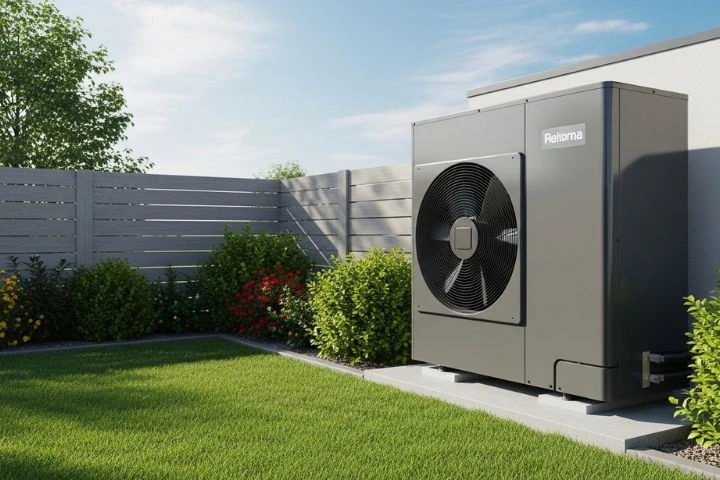
Upgrading to a heat pump is one of the most energy-efficient ways to heat and cool your home. But before investing, you may wonder: Is my home ready for a heat pump? This guide explains everything you need to know, including home requirements, insulation, electrical capacity, and ductwork options.
What Is a Heat Pump and How It Works
A heat pump is an HVAC system that transfers heat instead of generating it. In winter, it draws heat from outside and delivers it indoors; in summer, it reverses the process. This energy-efficient system provides both heating and cooling, often reducing energy bills.
Key Factors to Determine If Your Home Is Ready
1. Home Size and Layout
The size and design of your home impact the type of heat pump you need. Contractors perform load calculations to ensure proper capacity. Single-zone units work for small homes or individual rooms, while multi-zone systems suit larger homes or multiple climate zones.
2. Insulation and Air Sealing
Proper insulation helps your heat pump operate efficiently. Check walls, attic, windows, doors, and vents for leaks. Upgrading insulation before installation can significantly reduce energy costs.
3. Climate Considerations
Heat pumps work best in mild climates, but cold-climate models exist for freezing temperatures. In extremely cold areas, a dual-fuel system may be required, combining a heat pump with a backup gas furnace.
Electrical Requirements for Heat Pump Installation
Heat pumps run entirely on electricity. Ensure your electrical panel can support the system, usually requiring 220-240 volts. Some homes may need panel upgrades or dedicated circuits. Outdoor units also require level surfaces and proper airflow for optimal performance.
Ductwork: Ducted vs. Ductless Options
Ducted Systems
Homes with existing ducts can use central ducted heat pumps. Ducts must be sealed and compatible with airflow needs. Some modifications may be necessary for optimal heating and cooling.
Ductless Mini Split Systems
Ideal for homes without ducts, mini splits offer easy installation, flexible placement, and minimal disruption. They are an excellent alternative to expensive duct retrofits.
Additional Tips for Home Readiness
- Schedule a professional HVAC assessment.
- Ensure outdoor space is clear and accessible for installation.
- Consider energy-efficient upgrades alongside installation for maximum savings.
Conclusion
Determining if your home is ready for a heat pump involves assessing size, layout, insulation, climate, and electrical capacity. With the right preparation, a heat pump can provide year-round comfort while lowering energy costs.