
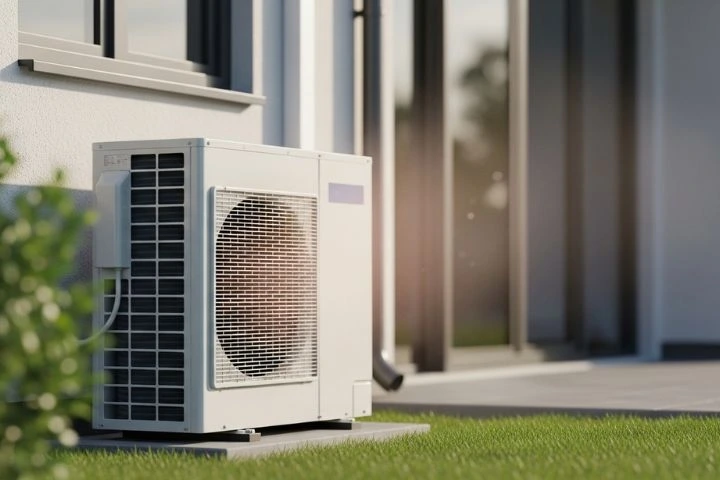
When your heat pump is running but your home still feels warm and uncomfortable, it’s a clear sign that something isn’t working as it should. A heat pump that fails to cool properly can lead to higher energy bills, uneven indoor temperatures, and unnecessary strain on the system. Understanding why your heat pump is not cooling and knowing how to respond quickly can save you time, money, and frustration.
This guide explains the most common causes of heat pump cooling problems, how they affect system performance, and what steps you can take to restore comfort to your home.
How Heat Pumps Cool Your Home
A heat pump cools your home by transferring heat from inside to the outside rather than generating cold air. During cooling mode, refrigerant circulates through the indoor coil, absorbing heat from the air inside your home. That heat is then carried to the outdoor unit, where it is released. When every component works correctly, this process keeps indoor temperatures consistent and comfortable.
If any part of this cycle is disrupted, the heat pump may continue running without delivering effective cooling, which often leads homeowners to believe the system has completely failed when the issue may be relatively simple.
Dirty Air Filters Restrict Cooling Performance
One of the most common reasons a heat pump is not cooling is a dirty or clogged air filter. Over time, dust, pet hair, and debris accumulate in the filter, restricting airflow throughout the system. When airflow is limited, the heat pump struggles to absorb indoor heat efficiently, which reduces cooling output and forces the system to run longer than necessary.
Replacing or cleaning the air filter regularly allows air to circulate freely and helps the heat pump cool more effectively. In most homes, filters should be checked monthly and replaced every one to three months depending on usage and indoor air quality conditions.
Low Refrigerant Levels Reduce Cooling Capacity
Low refrigerant is another frequent cause of poor cooling performance. Refrigerant is essential for transferring heat, and without the proper amount, your heat pump cannot remove heat from your home efficiently. Unlike fuel, refrigerant does not get used up, so low levels typically indicate a leak somewhere in the system.
Signs of low refrigerant often include weak airflow, ice forming on the indoor or outdoor coils, and the heat pump running continuously without reaching the desired temperature. Because refrigerant handling requires certification and specialized equipment, a licensed HVAC technician must inspect the system, repair any leaks, and restore the correct refrigerant charge.
Dirty Outdoor Coils Prevent Heat Release
The outdoor unit plays a critical role in the cooling process by releasing heat absorbed from inside your home. When the outdoor condenser coils become coated with dirt, grass clippings, or debris, heat cannot dissipate properly. As a result, the heat pump becomes less efficient and may struggle to cool indoor spaces.
Keeping the area around the outdoor unit clear and scheduling professional coil cleaning as part of annual maintenance helps ensure optimal heat transfer and reliable cooling performance, especially during hot weather.
A Faulty Reversing Valve Can Trap the System in Heating Mode
Heat pumps rely on a reversing valve to switch between heating and cooling modes. When this valve fails, the system may become stuck in heating mode or switch inconsistently, causing warm air to blow from vents even when the thermostat is set to cool.
Reversing valve problems often require professional diagnosis because the symptoms can resemble refrigerant or compressor issues. Repairing or replacing the valve restores the heat pump’s ability to change modes correctly and resume normal cooling operation.
Thermostat Issues Can Mimic System Failure
Sometimes the heat pump itself is not the problem at all. Incorrect thermostat settings, calibration errors, or faulty wiring can prevent the system from entering cooling mode. A thermostat set to heating or left on an incorrect program may cause confusion and inconsistent temperatures throughout the home.
Checking thermostat settings, replacing batteries, and ensuring proper placement away from heat sources can resolve many cooling complaints. In some cases, upgrading to a modern or smart thermostat can improve accuracy and system efficiency.
Electrical Problems Disrupt the Cooling Cycle
Electrical issues can interfere with your heat pump’s ability to cool properly. Tripped breakers, damaged wiring, or malfunctioning control boards may prevent the system from starting or completing the cooling cycle. These problems can also cause intermittent operation, where the heat pump turns on and off unexpectedly.
Because electrical faults can pose safety risks, professional inspection is strongly recommended. A trained technician can identify the root cause and make necessary repairs without compromising system safety or performance.
When to Call a Professional HVAC Technician
While basic checks such as replacing filters or adjusting thermostat settings can be handled by homeowners, many heat pump cooling problems require professional expertise. Refrigerant leaks, reversing valve failures, compressor issues, and electrical malfunctions should always be addressed by a licensed HVAC technician.
Calling a professional early can prevent further damage, reduce repair costs, and restore your system’s efficiency faster than continued troubleshooting alone.
Preventing Heat Pump Cooling Problems
Regular maintenance is the most effective way to prevent cooling issues and extend the life of your heat pump. Annual professional inspections, routine filter changes, and keeping outdoor units clean help ensure consistent performance throughout the cooling season. Preventive care also improves energy efficiency, which can significantly lower monthly utility bills.
Final Thoughts
A heat pump that is not cooling properly can make your home uncomfortable and put unnecessary strain on your system. Whether the issue is something simple like restricted airflow or more complex like refrigerant or electrical problems, identifying the cause early is key to avoiding costly repairs.
If your heat pump continues to struggle despite basic troubleshooting, contacting a qualified HVAC professional is the best way to restore comfort, protect your investment, and ensure reliable cooling when you need it most.